Facebook Ads vs Google Ads: Which Generates Better Leads?
Facebook Ads vs Google Ads: which brings better leads? Compare intent, cost, targeting, and results for Meta Ads and Google PPC advertising, and learn how to choose the right platform or combine both for stronger lead generation.
So which one won? It depends on what she was trying to do, and that’s the honest answer to the whole Facebook Ads vs Google Ads debate. Both can bring in leads, but they work in very different ways. This guide breaks down those differences so you can decide where your money should go.
The Core Difference: Intent vs. Interruption
Everything else flows from this one idea.
Google Ads catches people who are already searching. Someone types “dentist near me” or “buy office chairs online,” and your ad appears. They have a need, and they’re actively looking for a solution.
Facebook Ads, now run through Meta Ads Manager, reach people while they’re scrolling Facebook or Instagram. They weren’t looking for you. You’re showing up in their feed because of their interests, age, location, or behavior.
Think of it this way. Google is like a shop on a busy market street where people walk in already wanting something. Facebook is like handing out flyers at a mall. You can still win customers, but you have to grab attention first.
How Google Ads Works for Lead Generation
With Google, you bid on keywords. When someone searches for those words, your ad can appear at the top of the results. You pay when someone clicks.
Strengths:
- High buying intent, since people are searching for exactly what you offer
- Great for urgent or problem-based services like repairs, legal help, or clinics
- Easy to measure, with clear data on which keywords bring leads
- Works well with phone calls and form submissions
Weaknesses:
- Clicks can be expensive in competitive industries
- Limited reach if few people search for your product
- Needs ongoing keyword management to avoid wasted spend
How Facebook (Meta) Ads Works for Lead Generation
Meta Ads lets you target people by demographics, interests, behaviors, and even similar audiences based on your existing customers. Your ads show up in feeds, stories, and reels on Facebook and Instagram.
Strengths:
- Powerful targeting options
- Visual formats like images and video that tell a story
- Often a lower cost per click than Google
- Built-in lead forms that let people sign up without leaving the app
- Great for creating demand for products people didn’t know they needed
Weaknesses:
- Lower intent, so many people click out of curiosity
- Lead quality can be inconsistent
- Ad fatigue sets in fast, so you need fresh creatives regularly
- Privacy changes have made tracking and targeting less precise than before
Facebook Ads vs Google Ads: Side-by-Side
Here’s a quick comparison to make things clear:
| Factor | Google Ads | Facebook (Meta) Ads |
|---|---|---|
| Audience mindset | Actively searching | Casually browsing |
| Lead intent | High | Low to medium |
| Cost per click | Usually higher | Usually lower |
| Best for | Services, urgent needs, high-intent buyers | Awareness, visual products, offers |
| Ad format | Mostly text, plus shopping and video | Images, video, carousels |
| Speed to leads | Fast | Fast, but quality varies |
| Targeting | Keywords | Interests, behavior, demographics |
Which One Generates Better Leads?
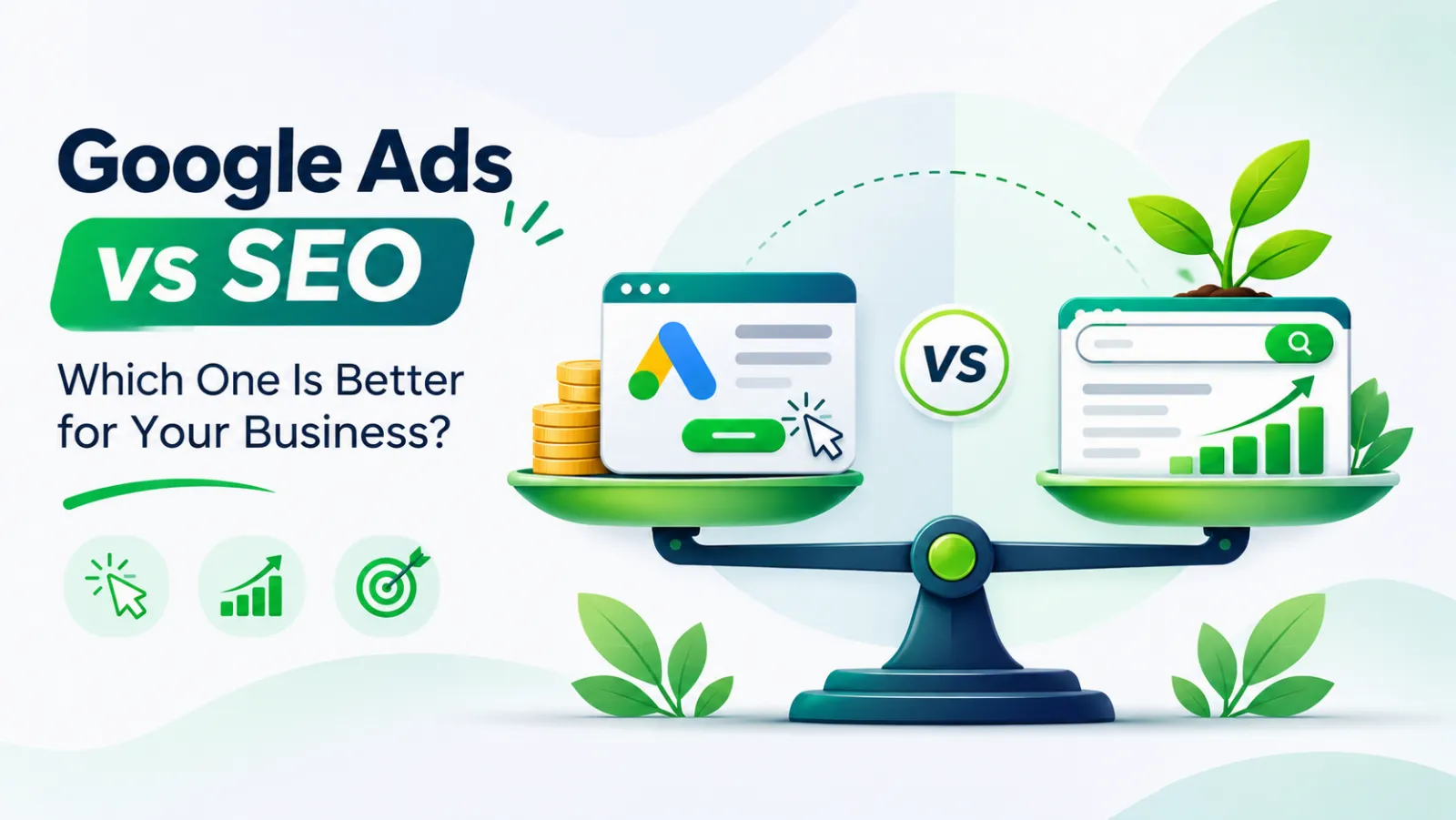
If you want a single answer, here it is: Google Ads usually produces higher-quality leads, while Facebook Ads usually produces more leads at a lower cost per lead.
The difference matters. A Facebook lead might cost less, but fewer of them turn into paying customers. A Google lead may cost more, but they’re often closer to buying. So don’t just compare cost per lead. Compare cost per customer. That number tells the real story.
Here’s how it tends to play out by business type:
- Local services (plumbers, dentists, lawyers, repair shops): Google Ads usually wins, because people search when they need help now.
- E-commerce and fashion: Facebook and Instagram work well for discovery, while Google captures people ready to buy.
- Real estate: Often a mix. Google catches active searchers, while Meta Ads helps you reach people early in their journey.
- Coaching, courses, and events: Facebook often performs well, since you’re creating interest rather than meeting existing demand.
- B2B services: Google tends to deliver better-quality leads, though Meta can work for building awareness.
The Cost Question
Neither platform has a fixed price. Costs depend on your industry, location, competition, and how well your ads are built.
In general, Google clicks cost more because competition for high-intent keywords is strong. Meta clicks are usually cheaper, but you may need more of them to get the same number of real customers.
Don’t pick a platform just because it looks cheaper. A cheap lead that never answers the phone is more expensive than a pricey one that buys.
Why the Best Businesses Use Both
Here’s what experienced marketers often do: they stop treating this as a competition. Instead, they use each platform for what it does best.
- Facebook and Instagram introduce your brand and build interest.
- Google captures people when they search for you or your solution.
- Retargeting on Meta brings back website visitors who didn’t convert the first time.
A person might see your Instagram ad on Monday, forget about it, search for your business on Google on Thursday, and finally book a call. If you’re only on one platform, you only get part of that journey.
This combined approach is also where PPC advertising becomes much more effective. Data from one channel helps improve the other. For example, the keywords that convert on Google can inspire your Facebook ad copy.
Tips to Get Better Leads From Either Platform
Whichever way you go, these basics make a big difference:
- Set up conversion tracking first. Without it, you’re guessing. Track form fills, calls, and purchases.
- Use a dedicated landing page. Don’t send people to your homepage. Match the page to the ad.
- Keep forms short. Every extra field loses a few people.
- Follow up fast. Leads go cold quickly. Responding within minutes can double your chances.
- Test regularly. Try different headlines, images, and offers.
- Judge by customers, not clicks. Likes and impressions don’t pay your bills.
- Qualify your leads. Ask one simple question in the form to filter out people who aren’t serious.
When Should You Get Professional Help?
If you’ve tried ads on your own and the leads aren’t coming, or you’re spending more time managing campaigns than running your business, it may be time for expert support. A good team will set up proper tracking, test ad variations, and tell you honestly which platform deserves more of your budget.
If you’d like help figuring out the right mix for your business, you can explore the services page on GlanceTechy to see how professional support can fit your goals.
A Simple Way to Decide
If you’re still stuck, use this quick guide:
- Choose Google Ads if customers already search for what you sell and you need leads fast.
- Choose Facebook (Meta) Ads if your product is visual, new, or needs explaining, or if you want to build awareness on a smaller budget.
- Choose both if you have the budget and want a steady flow of leads over time.
Start small on whichever platform fits best, track the results for a month or two, and then adjust. Real data from your own business is more valuable than any general advice, including this blog.
Final Thoughts
So, who wins the Facebook Ads vs Google Ads battle? Neither, really. Google is usually better at capturing ready-to-buy customers, while Meta Ads is better at creating interest and reaching people early. Your best choice depends on your product, your audience, and your budget.
The smartest move is to test, measure what actually turns into customers, and put more money behind what works. If you want a partner to help you plan, launch, and improve your campaigns, you can learn more about GlanceTechy and how we help businesses grow online.